




Ear pain when flying – Tips to avoid & treat “Airplane ear”

Getting ear pain while flying to your long-awaited holiday destination is a sure way to spoil the mood. Why do we get it and how can we avoid it?
What causes my ear to hurt?
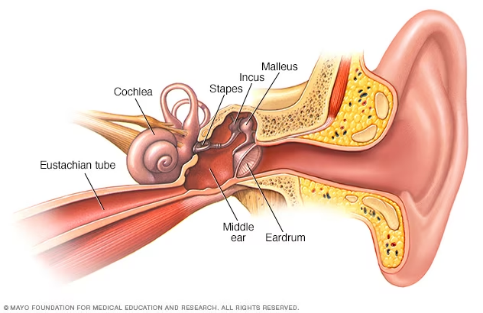
When the airplane is taking off or descending, there is an imbalance in air pressure between the environment and your middle ear. This puts stress on your eardrum, leading to airplane ear or ear barotrauma. Most of the time it is a minor annoyance, but sometimes it can cause more severe problems.
What may I feel?
Common signs and symptoms include
- Feeling of fullness in your ear
- Discomfort or pain in your ear
- Muffled hearing or mild hearing loss
More severe symptoms
- Extreme ear pain
- Dizziness
- Persistent hearing loss
- Fluid or blood from your ear due to a burst ear drum
What should I do?
- Swallowing - Drink through a straw, sucking on hard candy or chewing gum to encourage swallowing which helps keep the eustachian tubes open to allow ear pressure equalization
- Yawn – this also helps to open the eustachian tube
- Valsalva maneuver – pinch your nose shut, close your mouth and try to blow gently through your nose like you are blowing your nose. Be careful not to blow too hard.
How can I help my child?
Babies and young children are more vulnerable as their eustachian tubes are narrower than adults. They may not be able to express their discomfort, but may show it by pulling on their ears, getting cranky or not being able to hear you talking to them well. Avoid letting your child sleep during take-off and landing so they can swallow effectively and frequently to help equalize their ear pressure. For babies, sucking on a bottle or pacifier or breastfeeding can help.
When do I see a doctor?
If you have a common cold, stuffy nose, sinus infection or nasal allergies and are planning to fly, there is a higher risk of ear barotrauma. Speak to your doctor for advice and medications that may be able to help. If you have experienced ear barotrauma and it is mild, your symptoms should resolve shortly after landing. If they don’t or you have severe symptoms, do see your doctor.


